


Vienna Starts Winter Preparation for 1855 Fountains
Gestern, 18:20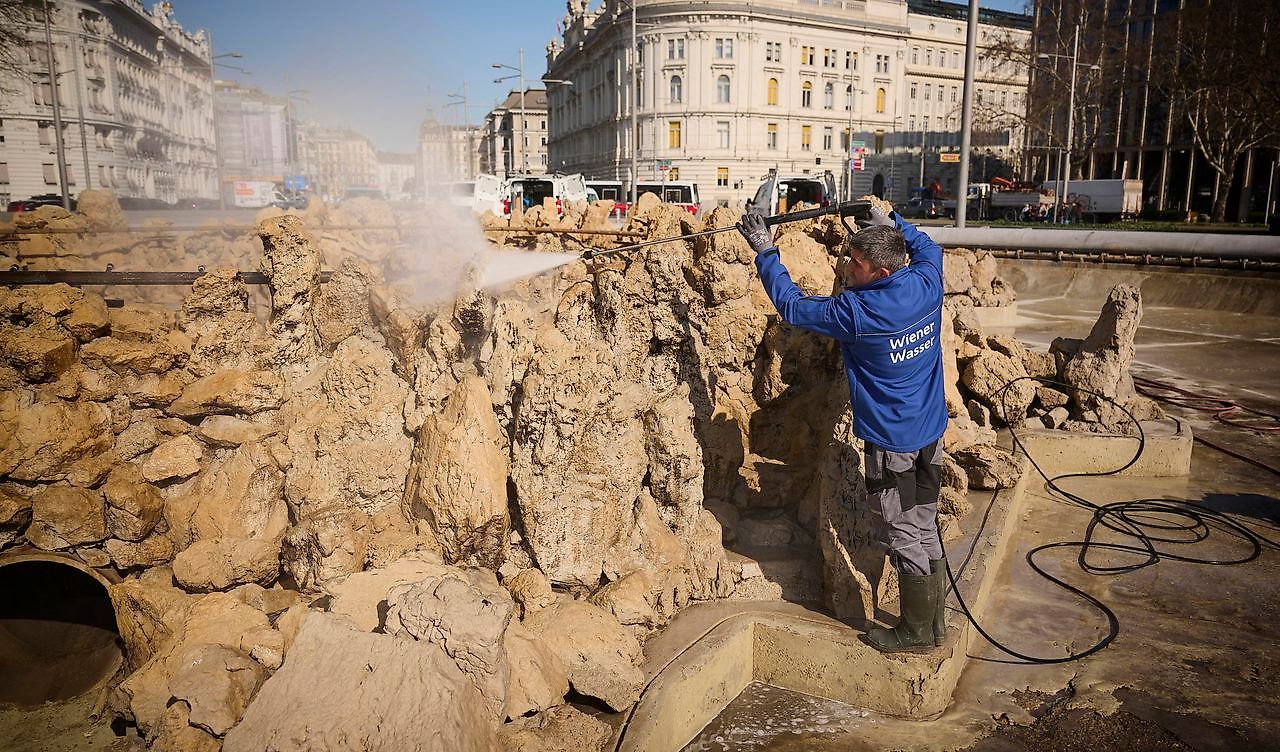
In Vienna, the winter break for public fountains begins. Since the end of October 2026, a total of 1855 installations are being gradually taken out of service. Affected are 1800 drinking fountains and 55 monument fountains. The city starts with the installations on the outskirts, while the drinking fountains in the inner city are to remain in operation as long as possible.
The fountains must be prepared in time for frost and low temperatures. They will remain gradually shut down until spring 2027.
Although temperatures at the end of October are still partly mild, Vienna has already begun preparations for winter.
The fountains in the outer city areas are the first to be turned off. There, temperatures can typically drop below freezing earlier. The drinking fountains in the inner city, however, remain in operation the longest.
For people who regularly use public drinking fountains, this means that in the coming weeks, more and more water points may temporarily not be available.
The reason for the early shutdown is to protect the installations from frost damage. If water freezes in pipes or technical components, it can expand and cause damage.
Therefore, the water must be drained from the fountain systems before the start of longer frost periods.
„Winterizing can be demanding and time-consuming depending on the fountain. We therefore have to start sending Vienna’s fountains into winter break at the end of October,“ explained Vienna Water Chief Paul Hellmeier.
The work is carried out step by step because preparing the numerous systems requires corresponding time.
In addition to the drinking fountains, 55 historical monument fountains are also affected. Preparing them for winter is particularly elaborate.
First, the basins are completely drained and thoroughly cleaned. Subsequently, the responsible employees remove, among other things, water nozzles and overflows.
To protect against frost and weather influences, special covers are applied. This is intended to help the historical systems get through the cold season as unscathed as possible.
A special feature is the well-known Hochstrahlbrunnen at Schwarzenbergplatz. This is to be winterized starting from the beginning of November.
Due to its large water basin, the preparation work is particularly elaborate and takes correspondingly more time.
The Hochstrahlbrunnen is one of the most famous fountain installations in Vienna and is a prominent feature of Schwarzenbergplatz.
It will take several months until the fountains are fully operational again.
According to the report, the drinking and monument fountains are to be gradually reactivated in the spring of 2027.
Until then, people who rely on public drinking fountains while walking, running, or cycling should take sufficient drinking water with them as a precaution.
(Red)
This article has been automatically translated, read the original article .

