


Washing Machine: Why the Door Should Not Always Be Open
23-10-2026, 16:45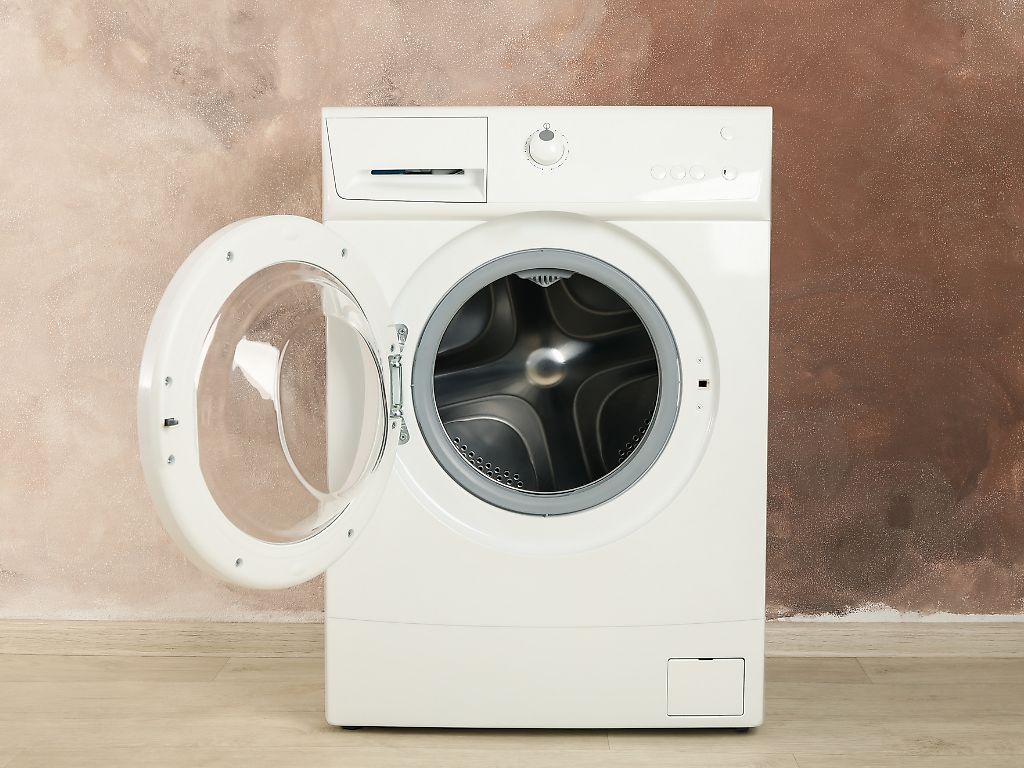
After the final spin cycle, take out the laundry and leave the washing machine door open. For many people, this is part of their usual household routine. After all, the remaining moisture should escape to prevent unpleasant odors or mold from forming.
However, as the technology portal CHIP reports, leaving the washing machine door open permanently can also have disadvantages. It is crucial that the machine can dry sufficiently after washing without its components being unnecessarily stressed.
During a wash cycle, water and moisture accumulate in the drum, on the door seal, and in other areas of the machine. If the door is completely closed immediately after washing, the moisture can only escape with difficulty.
The humid climate promotes the formation of biofilms. These are accumulations of microorganisms that can form on surfaces. Mold and unpleasant odors can also be encouraged by this.
Therefore, it makes sense to leave the washing machine door open after the wash cycle. The detergent drawer should also be given the opportunity to dry.
However, the washing machine door does not need to remain wide open all the time. According to CHIP, particularly the hinges can be stressed with permanently open doors.
The door exerts a load on the attachment due to its own weight. With unfavorable stress, problems with closing can arise in the long term.
The rubber seals also play an important role. They ensure that no water leaks from the machine during the wash cycle. If they are damaged or deformed, the seal can be compromised.
However, it is important to note: There is no evidence that a permanently open door necessarily causes damage. How much the components are stressed depends, among other things, on the construction of the respective washing machine.
The consumer magazine ÖKO-TEST provides specific guidance. According to them, the door should remain open for at least half an hour after the wash cycle to allow moisture to escape.
Whether this time is sufficient depends on how damp the drum and seals still are afterwards.
Those with limited space in the bathroom or kitchen do not need to swing the door fully open. Even a slightly open door allows for air exchange.
The crucial factor is that the machine can dry sufficiently. The recommendations of the respective manufacturer should be taken into account.
Not only the position of the washing machine door affects hygiene. Detergent residues, moisture, and deposits can also contribute to the development of unpleasant odors over time.
The rubber seal deserves particular attention. Water, lint, and detergent residues can accumulate in its folds.
Regular cleaning helps to remove such deposits. After the wash cycle, any remaining moisture can be wiped up with a cloth.
The detergent drawer should also be regularly checked and cleaned. Residues can accumulate there as well.
In addition to airing, regular cleaning of the machine is important. CHIP recommends, among other things, wash cycles with higher temperatures.
When using washing machine cleaners, the manufacturer’s instructions should be followed. This is especially true for home remedies like vinegar, as they are not suitable for every machine or every component.
The correct dosage of detergent also plays a role. Residues can deposit in the machine and should therefore be avoided as much as possible.
Those who regularly maintain the washing machine, remove moisture, and leave the door sufficiently open after washing can reduce the risk of unpleasant odors and mold formation.
The most important insight: The washing machine door should not be closed immediately after washing. However, it does not need to remain wide open permanently. Sufficient drying, regular cleaning, and the manufacturer’s care instructions are crucial.
(VIENNA.AT)
This article has been automatically translated, read the original article .

