




Vinegar on Snake Plant: What the Unusual Trick Brings
Heute, 03:25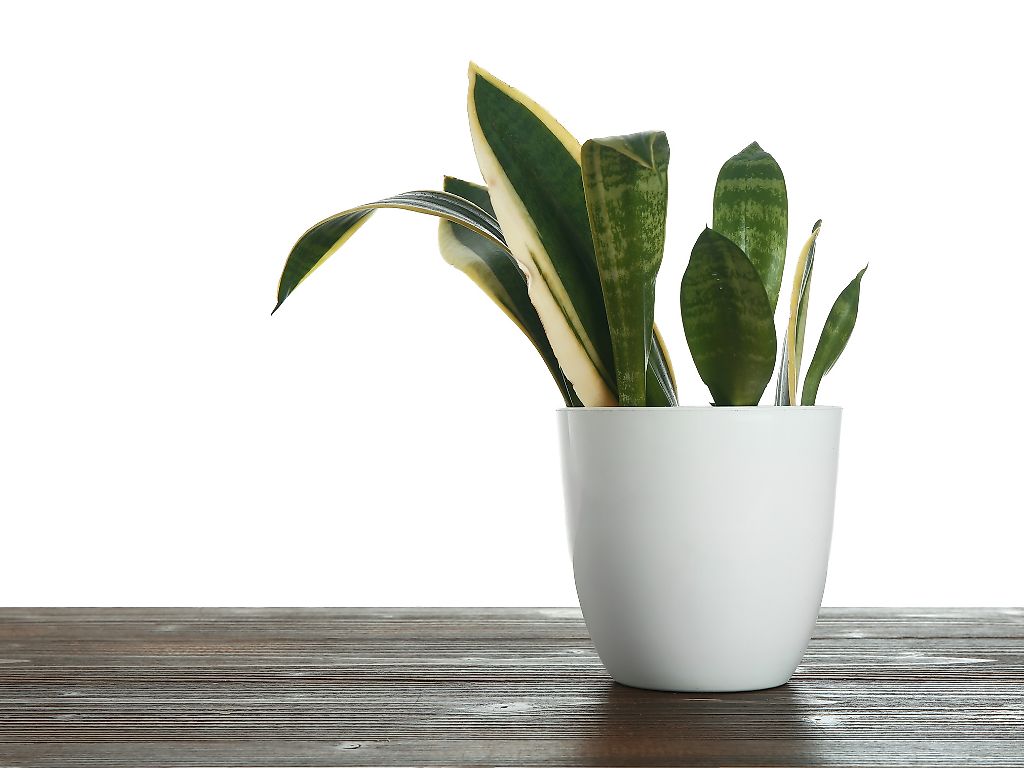
The snake plant is considered a low-maintenance houseplant and is popular for its distinctive, upright-growing leaves. However, even this robust plant can be infested by pests. An unusual household trick promises relief: vinegar diluted with water is said to keep certain insects away. However, the effectiveness is not reliably proven, and incorrect application can harm the plant.
The home remedy is based on acetic acid, which is responsible for the characteristic smell of vinegar. The idea is to make the plant’s surroundings less attractive to certain insects through this smell.
As reported by the news portal Tupi, heavily diluted white vinegar is used in plant care as an additional precautionary measure. Whether the mixture actually keeps pests away from the snake plant depends on the specific type of insect. Reliable protection is not proven.
The snake plant, botanically belonging to the genus Dracaena and formerly known as Sansevieria, has firm, fleshy leaves that can store water. Despite its resilience, pests such as mealybugs or scale insects can settle on the plant.
Anyone who wants to try the described household trick should pay particular attention to the dilution. The original report suggests a mixture of one teaspoon of white household vinegar and one liter of water.
First, a clean spray bottle is filled with water at room temperature. Then the vinegar is added. After careful mixing, the liquid should first be tested on a small area of a leaf.
Subsequent observation is crucial. Within 24 to 48 hours, it should be checked whether discolorations, spots, or other damage appear.
Even with a weak mixture, damage cannot be ruled out. The mentioned dilution is therefore no guarantee for a plant-friendly application.
Although the snake plant is considered resilient, its leaves do not necessarily react indifferently to acidic liquids. Acetic acid can attack plant tissue and cause visible damage.
Undiluted vinegar is particularly problematic. Therefore, it should not be applied directly to the leaves.
Even with diluted mixtures, caution is advised. The initial report recommends avoiding applications during strong sunlight and ensuring that no liquid accumulates at the base of the leaves.
If spots or discolorations appear after treatment, the application should be stopped immediately. Residues can be carefully removed with water.
The vinegar trick does not replace targeted pest control. Especially with an existing infestation, it is important to first determine which insects are on the plant.
Regular inspection of the leaves helps to detect changes early. Particular attention should be paid to the undersides of the leaves and the areas near the plant base.
Proper care also plays an important role. Snake plant requires a well-draining substrate and cannot tolerate consistently wet roots. Because its leaves store water, it does not need to be watered daily.
A bright location and adjusted water supply support the development of the plant. If the leaves are cleaned regularly, potential pests can also be detected more easily.
The household trick sounds simple, but it should not be confused with a proven treatment against plant pests. There is a lack of reliable information on which pests can be reliably kept away by the described vinegar mixture.
If you want to protect your snake plant, you should therefore primarily rely on regular inspections, suitable care conditions, and a treatment tailored to the respective pest.
Although vinegar is present in many households, its acidity makes it problematic for direct application on plants. For healthy leaves without pest infestation, there is no reason to spray the plant with vinegar as a precaution.
(VIENNA.AT)
This article has been automatically translated, read the original article .

