




Viennese Courts Under Pressure: Up to 55 Judges Missing
Heute, 10:50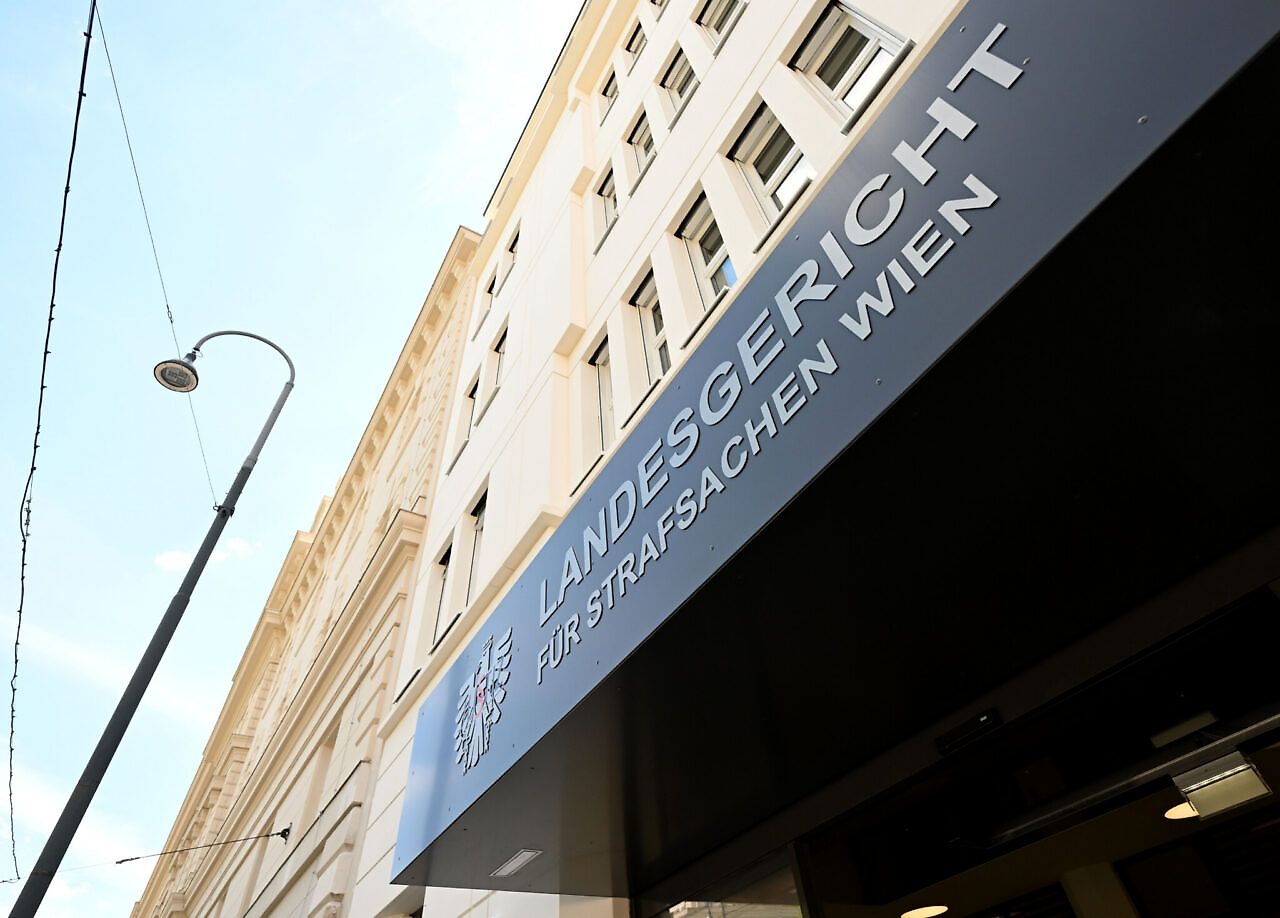
According to the judges‘ association, around 50 to 55 judges are currently missing at the district and regional courts in Vienna. The high workload is causing increasing criticism within the judiciary. As part of the nationwide protest week in Austria, a larger assembly is announced for today, Wednesday, at the Vienna Regional Criminal Court.
Since Monday, judges and prosecutors have been protesting against what they see as inadequate staffing. As VIENNA.AT has already reported, the professional associations are demanding additional positions and rapid relief measures.
Harald Wagner, a judge at the Vienna Commercial Court and chairman of the Vienna Judges‘ Association, described the tense situation in an interview with ORF on Monday.
„We want to highlight that the courts in Vienna and nationwide are heavily overloaded and that there is a shortage of judges,“ Wagner explained to ORF.
Nationwide, the judges‘ association estimates a shortage of more than 250 judges. According to Wagner, about 50 to 55 of these are at the district and regional courts in Vienna.
The missing workforce has to be compensated by the existing employees. Wagner mentioned that judges therefore have to perform at almost 120 percent.
The overload could, according to the judges‘ association, also have long-term effects on the quality of the judiciary.
Wagner warned that with a permanently high workload, judges might not have enough time for individual cases. This could also increase the susceptibility to errors.
„We fear it, and that’s why we warn that the quality could eventually suffer,“ said Wagner in „Vienna Today“.
For today, October 14th, a larger protest assembly is planned at the Vienna Criminal Court.
There, judges and prosecutors are expected to discuss their working conditions and the consequences of staff shortages. According to ORF, top representatives of the judiciary are also expected.
An exact start time was not mentioned in the available information.
The assembly is part of the nationwide protest week in Austria, which began on Monday. The professional associations aim to draw attention to the increasing workload.
The professional associations have announced for the ongoing protest week that they will limit regular activities and continue to handle urgent matters.
As VIENNA.AT reported on Monday, particularly unavoidable detention cases and other urgent proceedings are to be exempted. However, this does not mean that all Vienna courts are completely closed or that all hearings are automatically canceled.
Which specific appointments are affected depends on the respective court and proceedings. A complete list of canceled hearings is not available in the provided information. Therefore, individuals with an upcoming court appointment should not assume on their own that it is canceled.
Justice Minister Anna Sporrer (SPÖ) had already expressed understanding for the high workload at the start of the protest week. At the same time, she pointed to the strained budget situation. Her goal is to provide the judiciary with the necessary resources, but the financial situation of the federal government must first be considered.
As possible relief measures, Sporrer mentioned, among other things, a more efficient design of procedures, ongoing digitalization, and the development of their own AI tools for the judiciary. Harald Wagner pointed out to ORF a process in which around 400 proposals for a more efficient judiciary were collected. About 200 of these were deemed worth pursuing further. However, only seven have been implemented so far.
According to Wagner, even the implementation of further proposals would not completely resolve the personnel shortage.
Whether the protest week will lead to concrete additional personnel commitments is currently open. The Judges‘ Association is initially demanding 100 additional judicial positions nationwide within a year.
Wagner did not rule out further protest measures to ORF if no progress is made by the end of the week.
At the same time, he appealed to colleagues to take care of their own health and not to permanently compensate for the missing positions through personal overload.
(Ed.)
This article has been automatically translated, read the original article .

