




Tip in the Restaurant: This Practice Annoys Many Viennese
Heute, 11:10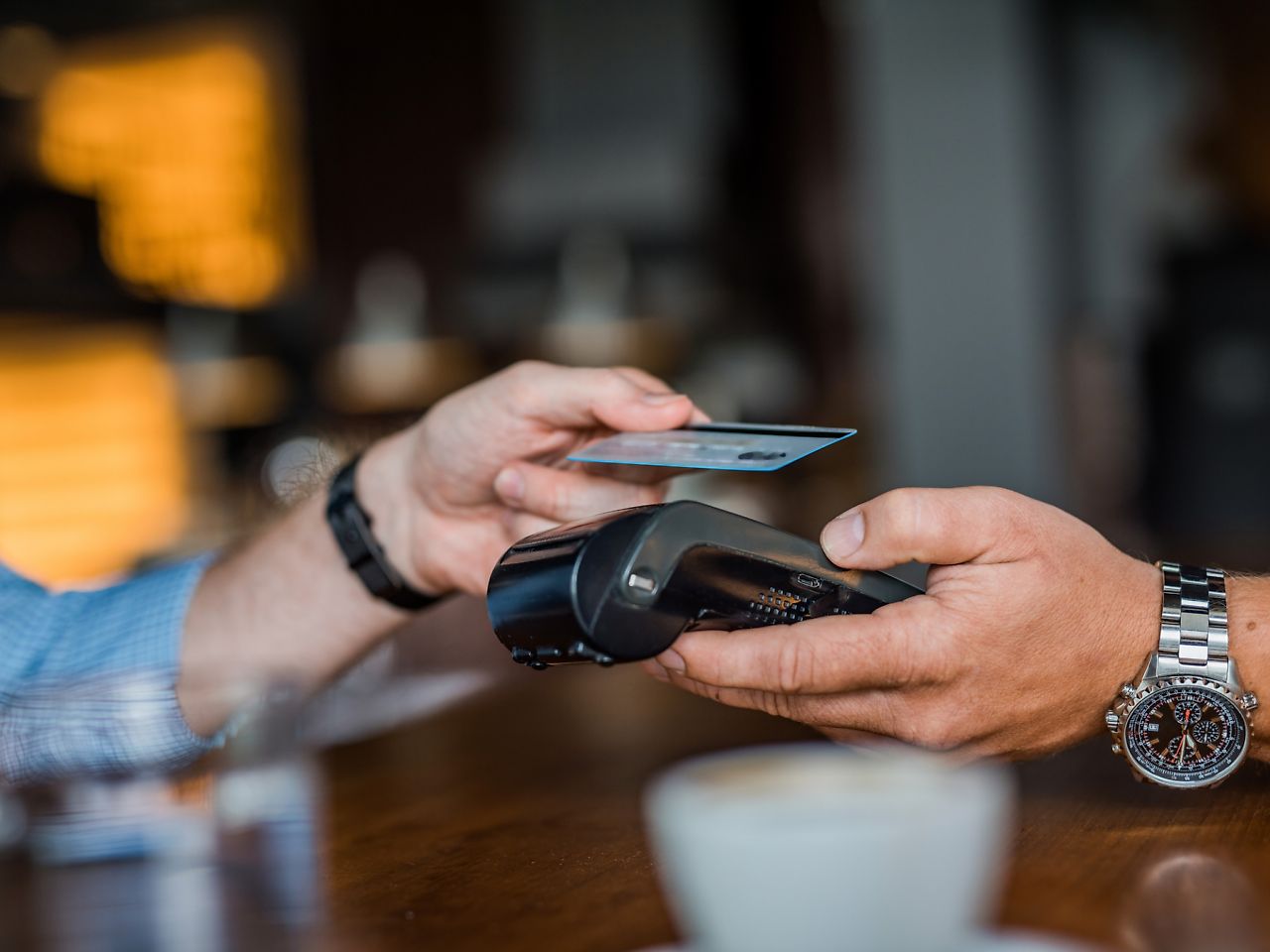
A coffee, a lunch, or a cozy evening at the restaurant – and at the end, the card terminal asks an additional question: How much tip would you like to give? Instead of setting the amount themselves, guests are increasingly being offered fixed percentages. In some Viennese dining establishments, these range from five to 30 percent.
What is a convenient way to give cashless tips for some, causes annoyance for many others. This is shown by a recent survey conducted by the market research institute Triple M Matzka.
For the study, 500 people were surveyed. The result is clear: 63 percent rate the tip suggestions at the card terminal negatively. 36 percent find them „very bad,“ and another 27 percent „rather bad.“
Only seven percent of respondents consider this form of tip inquiry to be „very good.“
The rejection is particularly pronounced among older guests. Among respondents aged 50 and over, 74 percent are against the suggested tip amounts.
A few weeks ago, the consumer protection of the Vienna Chamber of Labor had already criticized the preset tip options. In an interview with MeinBezirk, the Chamber of Labor described these as a „manipulative practice.“
The background: When given several percentage values to choose from when paying, one might feel pressured to select one of them. Especially when the service staff is standing nearby, some guests may find it difficult to forgo tipping or to enter a lower amount.
Christina Matzka from the market research institute Triple M also sees this as a problem.
„Guests perceive these suggestions as patronizing, especially when the tip amounts are not only suggested but perhaps even pre-selected,“ explains Matzka.
Particularly high tip suggestions would raise additional questions. Amounts of more than ten or even 15 percent are often perceived as excessive. Some guests would therefore wonder whether the staff is being paid appropriately at all.
The discussion comes at a time when cashless payments are becoming increasingly common. In the second quarter of 2025, 929 million payments were processed across Austria. In the same period two years earlier, it was still 721 million.
With the increasing use of debit and credit cards, the question of how tips are handled in digital payments is also gaining importance.
The clear rejection of pre-set suggestions does not necessarily mean that guests generally do not want to tip. The criticism is more directed at the way they are prompted to do so when paying.
(VIENNA.AT)
This article has been automatically translated, read the original article .

