




New Health Portal for the Deaf in Vienna
22-09-2026, 17:25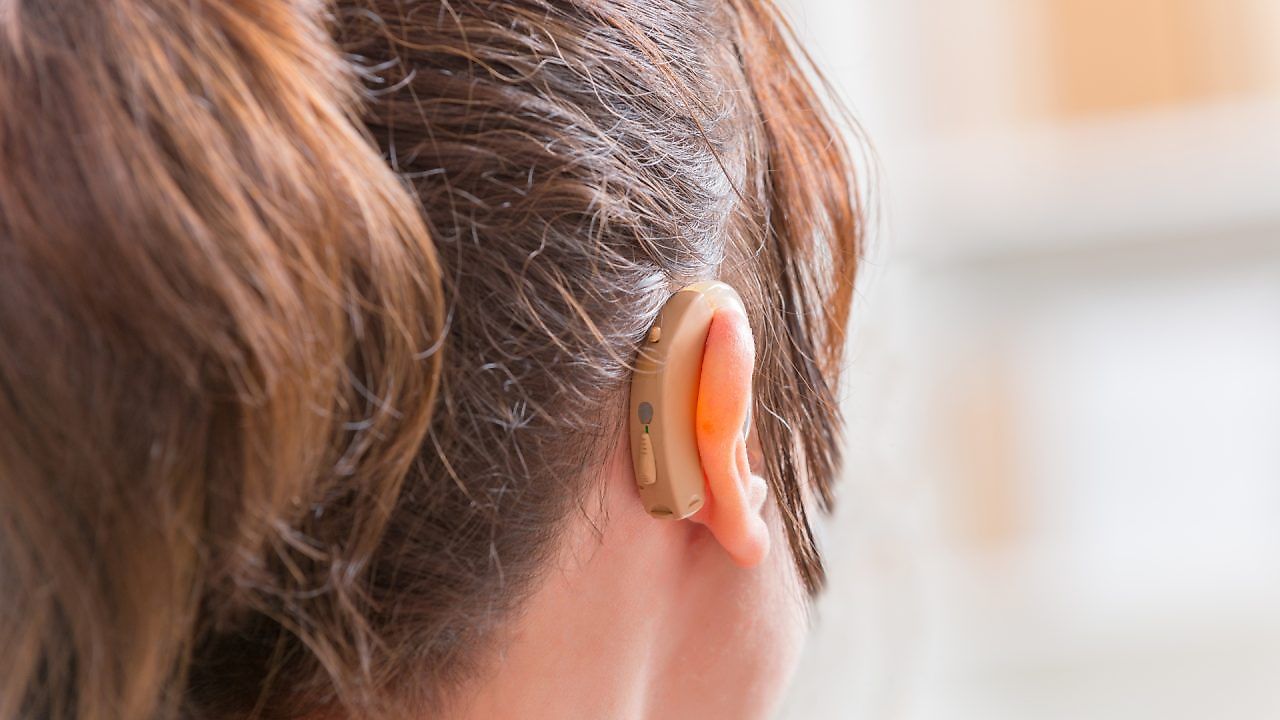
Deaf people often rely on interpreters in everyday life. In medical emergencies, this causes difficulties. While hearing people can simply go to the emergency room and be understood, this is not possible for deaf people, explains Thorben Pachler from equalizent. Such communication barriers lead to insecurity and misunderstandings among those affected. Often, urgently needed doctor visits are completely avoided because of this.
In the field of mental health, communication through an interpreter is an additional difficulty. Deaf people have to discuss intimate matters through a third person in therapy to be understood by a hearing psychologist. This requires a great deal of trust from those affected. Communication in a triangle makes it difficult to describe one’s own life situation, explains developmental psychologist Paulina Spelbrink, who is deaf herself. When deaf people can communicate directly with an ÖGS-competent therapist, it simplifies the situation.
is therefore intended to compile information on barrier-free health services and make it easily accessible to those affected. Often, there is simply a lack of barrier-free services. According to psychologist Marie Burgstaller, she had to refer the family of a deaf child who needed testing for ADHD and autism to a place in Linz because there were no necessary barrier-free services available in Vienna. Equalizent hopes to make the need for action visible with the portal and thus initiate further health policy debates.
(APA/Red.)
This article has been automatically translated, read the original article .

