



Maundy Thursday is one of the most important days in the Christian calendar. Nevertheless, it raises the same question every year: Why is it actually called that?

Why is it actually called Maundy Thursday?
2-04-2026, 05:02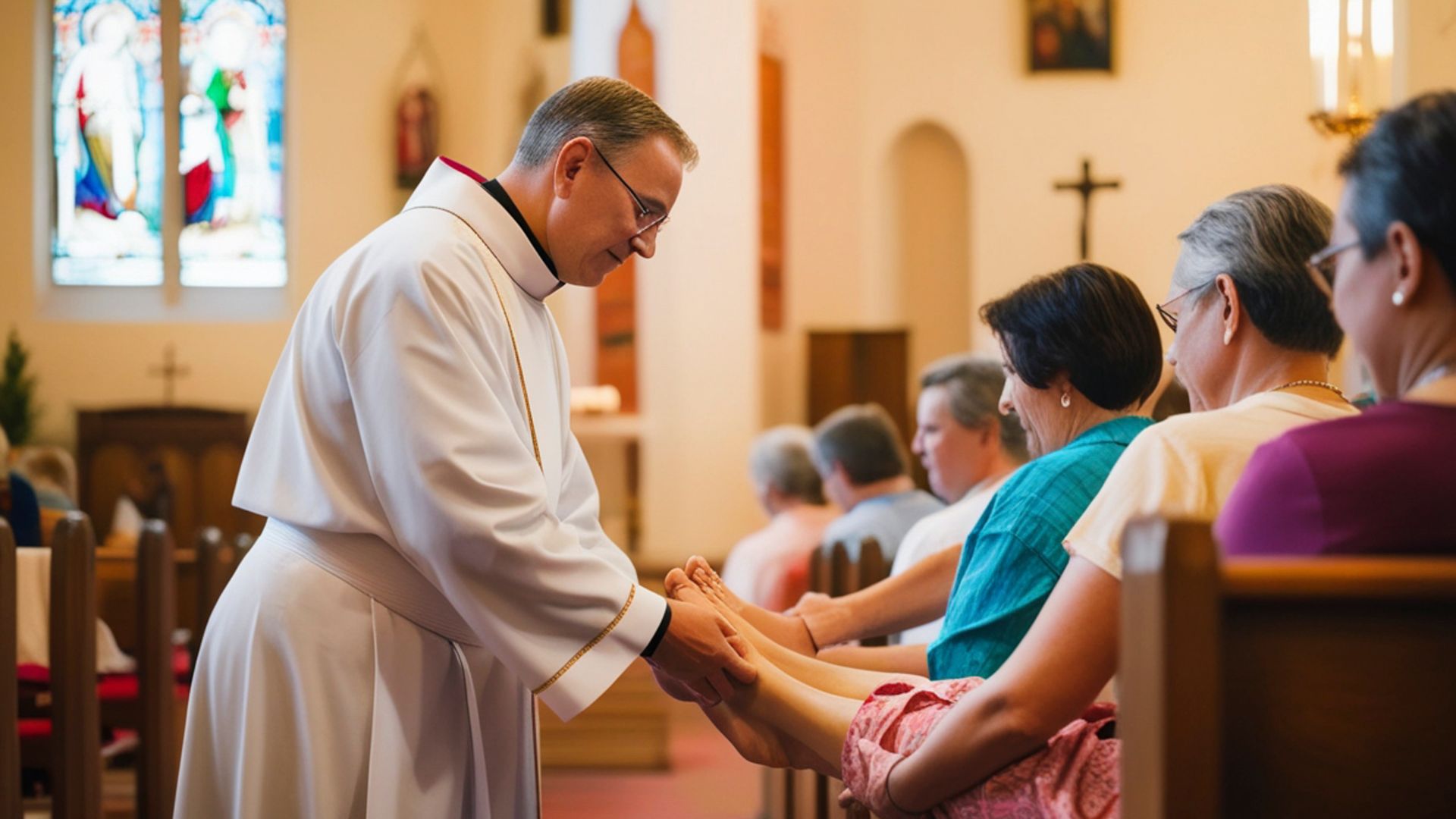
Spinach, church rituals, and a mysterious name: Everyone knows Maundy Thursday. Yet hardly anyone knows where the name really comes from.
Does it really have something to do with the color green? Or is there something entirely different behind it?
The Day Before Good Friday
Maundy Thursday commemorates the Last Supper of Jesus with his disciples. According to the Bible, Jesus shared bread and wine that evening, laying the foundation for a central church ritual.
A special gesture is also part of it: the washing of feet. It is still considered a sign of humility and charity today.

Fußwaschung
©Canva
With the evening of this day, the Passion begins. It describes the suffering of Jesus up to his crucifixion on Good Friday.
What Does It Have to Do with "Green"?
Many immediately think of spinach, herbs, or the color of spring. But this is where the mystery begins.
A common explanation traces the name back to the Old High German word "grunen." This means something like "to weep" or "to lament." Maundy Thursday would thus be a day of mourning.
Other experts consider this unlikely. They point out that "green" in the Middle Ages also stood for "new" or "renewed." People who were forgiven their sins on this day were considered "green again," meaning renewed in faith.
To this day, it is not clearly determined which explanation is correct.

Frühling (Symbolbild)
©Canva
Why Green is Still Eaten
Regardless of the name, a custom has firmly established itself: On Maundy Thursday, something green is served.
In Austria, spinach with egg is a classic. Other green dishes like herbs or vegetables are also common.

Spinat mit Ei
©Canva
The reason is simple: Spring represents a new beginning. Everything grows again, nature turns green. This idea has become associated with the holiday.
A Mystery to This Day
Whether "weeping," "renewed," or simply "green": Maundy Thursday shows how closely language, religion, and tradition are intertwined.
What is certain is: The name is older than many of the customs we associate with it today.
And that is precisely what makes it so fascinating to this day.
(Red)
This article has been automatically translated, read the original article .

