



There is hardly anything more tempting than slipping back into bed after the first ring of the alarm clock - but this seemingly harmless relapse into sleep can lead to us feeling even more tired than if we had gotten up immediately.

Sleep Inertia: How to Avoid the Morning Grogginess
24-06-2025, 13:30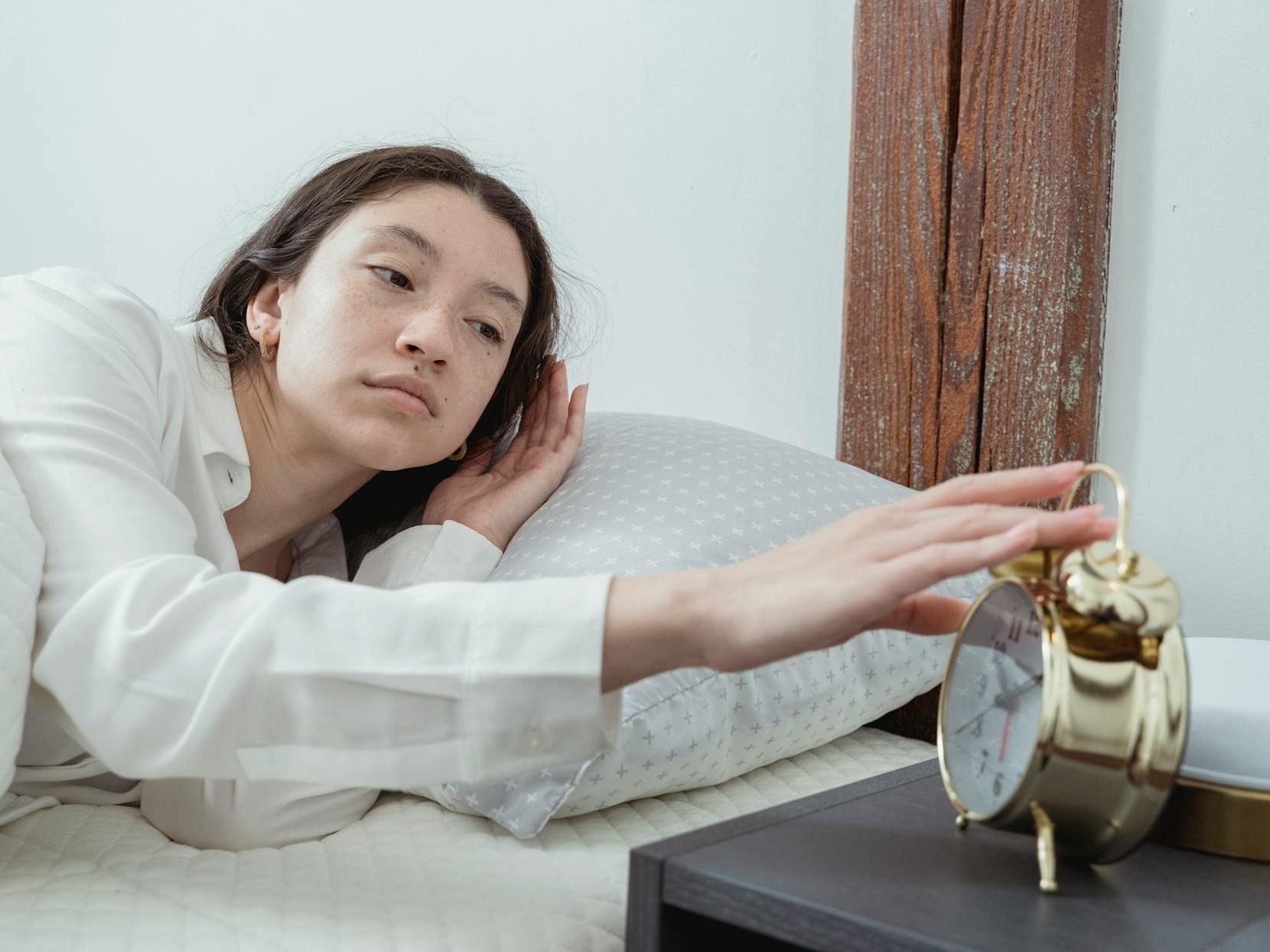
Sleep inertia can be exacerbated by falling back asleep after the alarm rings. To start the day more alert, experts recommend consistent sleep patterns and morning rituals.
Sleep inertia, also known as "Sleep Inertia," describes the phenomenon where people often feel more groggy after a short return to sleep than if they had gotten out of bed at the first ring of the alarm. This phenomenon has a scientific basis: when we wake up from deep sleep, our brain functions are not yet at full alertness, which explains the initial difficulties in concentrating or simply starting the day. This state can be intensified by further sleeping, leading to feeling more groggy and disoriented upon waking a second time. It often takes up to 30 minutes for the body to regain its full functionality.
The Science of Sleep
Our sleep cycle consists of different phases, with REM sleep (Rapid Eye Movement) and deep sleep being crucial for recovery and mental freshness. If sleep is abruptly interrupted, especially from the deep sleep phase, we experience the symptoms of sleep inertia more intensely. If we fall back asleep after the interruption, we risk entering deep sleep again, from which we can be rudely awakened by another alarm ring. Researchers recommend getting up at the same time as consistently as possible and not setting the alarm multiple times to avoid further confusing the internal clock.
Strategies for Restful Sleep
To minimize the challenges of sleep inertia, one should adhere to fixed sleep and wake times. A regular sleep rhythm helps prepare the body better for the day. Additionally, small morning rituals like drinking a glass of water or light exercise can help get the circulation going and dispel inertia. It can also be helpful to place the alarm clock at the other end of the room to avoid the temptation of "snoozing." This way, the day can begin with more energy and alertness.
Sleep Inertia:
- Die Schlafträgheit ist ein gut erforschtes Phänomen, das auf die Funktionsweise unseres Gehirns zurückzuführen ist. Während des Schlafes durchläuft das Gehirn mehrere Zyklen, bestehend aus Leichtschlaf-, Tiefschlaf- und REM-Phasen. Besonders der Tiefschlaf ist wichtig für die körperliche Erholung. Bei abruptem Erwachen aus dieser Phase sind die Gehirnfunktionen noch nicht vollständig aktiv, was die Trägheit erklärt. Die Forschung zeigt, dass eine stabile Schlafroutine und das Vermeiden von „Snoozing“ helfen können, den natürlichen Schlaf-Wach-Rhythmus zu unterstützen.
This article has been automatically translated, read the original article .

