



The partial pension, starting in 2026, will allow individuals to reduce their work hours while simultaneously receiving a portion of their already accrued pension. Working hours can be reduced between 25 and 75 percent. In return, eligible individuals receive a proportional pension benefit. The prerequisite is a regular entitlement to an old-age pension.

Government Introduces Partial Pension and Pension Cap
18-06-2025, 15:21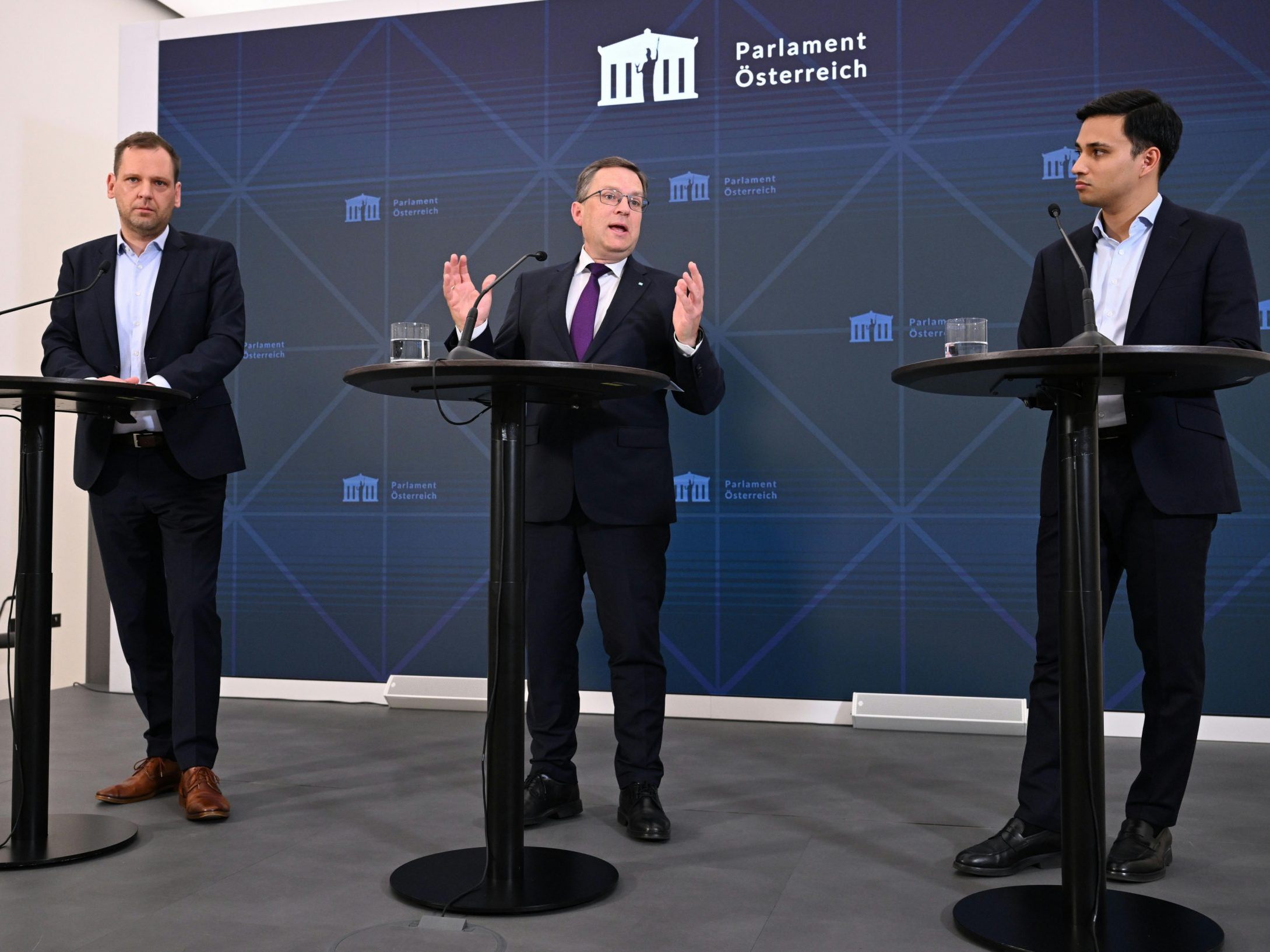
The government has agreed on a new pension package that is to be passed in the National Council in July. The key points are the introduction of a partial pension and a so-called sustainability mechanism to limit pension expenses.
Partial Pension "Win-Win Situation" for State and Employees
According to ÖVP club chairman August Wöginger, the partial pension offers a smooth transition into retirement without the state having to provide additional subsidies. Those affected continue to pay taxes and social security contributions, which also positively impacts public finances. Many people want to gradually exit working life, Wöginger said.
The existing partial retirement – with up to five years of subsidized working time reduction and wage compensation – will be transferred to the new model. In the future, state-subsidized reduction is only planned for a maximum of three years. Partial retirement will only apply if there is no entitlement to a partial pension yet.
Sustainability Mechanism from 2030
To ensure the long-term financial security of the pension system, the package also includes a so-called sustainability mechanism. This is to come into effect in 2030, as NEOS club chairman Yannick Shetty explained on Wednesday. It is a "legal spending cap" for the pension system. If sufficient costs are not saved by then, the government is obliged to take measures – such as raising the statutory retirement age.
According to Shetty, the annual savings must correspond to the effect of raising the actual retirement age by one year – which amounts to under 2.5 billion euros. In the future, the Minister of Social Affairs will have to present an annual report on the sustainable financing of the pension system to the National Council.
Pension Package Focuses on Older Workers
SPÖ club chairman Philip Kucher emphasized that the goal is to keep older people employed for as long as possible. There should be no pension cuts or a fixed increase in the retirement age. Other measures in the package include incentives for companies to continue employing people over 60, the expansion of age-appropriate workplaces, and health-promoting measures in the workplace.
Reform "Hardcore Unsocial" for FPÖ
For FPÖ social spokesperson Dagmar Belakowitsch, the reform is "hardcore unsocial," as she stated in a press release. The sustainability mechanism "de facto lays the foundation for raising the statutory retirement age," she accused the government.
The Federation of Trade Unions (ÖGB), on the other hand, sees partial retirement as a "great achievement." It is "a socially secure and flexible way to keep people in the workforce longer," said federal managing director Helene Schuberth. However, there is a lack of significant incentives to keep older workers in the workforce longer and healthier.
The Federation of Austrian Industries (IV) calls for structural reforms that are currently lacking. "Steps such as the decided restriction of the corridor pension or even a partial pension, if practicably designed for companies, are to be supported," noted Secretary General Christoph Neumayer.
(APA/Red)
This article has been automatically translated, read the original article .

